Healthy Homes

(Were you expecting to find the Childhood Lead Poisoning web page? We have redirected maine.gov/healthyhomes to this page. Go to Childhood Lead Poisoning.)

Use this index to find resources and information on home-related health issues.

 

dead cockroach

Bedbugs and Other Pests

Identify pests in and around the home with the help of the Maine Department of Agriculture and the University of Maine Cooperative Extension. Learn how to control pests safely and if control is needed.

Think you might have a bedbug problem? Maine CDC can help you find out how to get rid of them in your home, school, multi-unit building, hotel or bed and breakfast.

carbon monoxide detector

Carbon Monoxide Poisoning

Prevent carbon monoxide poisoning by making sure things like your home's heating system or wood stove --or anything that runs on fuel--are vented and working the right way. Never run gas-powered generators, cars, grills or small engines inside or in a garage or barn even if the windows and doors are open. Every home needs a carbon monoxide detector.

The Maine CDC has information on how to prevent carbon monoxide poisoning.

To prevent carbon monoxide poisoning during power outages see the Maine Emergency Management Agency.

line worker fixing power line
A house surrounded by flood water.

Emergency Preparedness

Being prepared is the best way to get through an emergency. Make a plan, stay informed, help others. Find out more about these three steps from the Maine Emergency Management Agency.

University of Maine Cooperative Extension has information on winter safety in homes, safety during power outages and what to do after a flood.

for rent sign in front of apartment building

Housing Search

Find rental housing in Maine. Search for apartments that are smoke-free, accept rent subsidies and meet your needs.

Read these tips for people looking for rental housing from the Maine Apartment Owners and Managers Association.

woman with cast on leg in wheelchair

Injuries

On average, there are two deaths and 22 hospital discharges that are injury-related each day in Maine. Injuries are preventable. Here are some resources to find out how to prevent injuries.

Safe Kids USA

Consumer Products Safety Commission

boy with mouth on window sill

Lead Poisoning

Every year in Maine about 100 children are poisoned from lead. The most common cause of lead poisoning in children is dust that comes from lead paint found in homes built before 1950. Maine CDC has resources for parents, homeowners, landlords tenants and health care providers to prevent childhood lead poisoning.

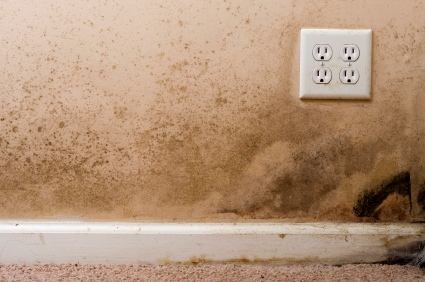
Wall with mold growing on it

Mold

Keep extra moisture out of your home and fix moisture problems to keep mold from growing. The Maine Indoor Air Quality Council has information about the health effects of mold and what to do about mold problems.

child surrounded by cleaning products

Poisonings

In Maine, nearly 200 people die and more than 1,000 people go to the hospital each year because of poisonings. That's about four deaths and 22 hopsitpal visits each week. The Northern New England Poison Center has prevention resources to help make homes and families safe.

image of upper human torso with lungs

Radon

Radon is the number two cause of lung cancer. High levels of radon gas are in much of Maine's soil and water. Radon can move up into a home from the ground. The Maine Radon Program can help you learn how to test for radon in the home and fix radon problems.


Smoke Free Housing Coalition of Maine logo

Secondhand Smoke & Smoke-free Housing

Secondhand smoke can cause serious health problems in children, adults and pets. Keep secondhand smoke out of your home by making house rules against indoor smoking. If you live in a multi-unit building, ask your landlord for a smoke-free policy. Learn more about protecting your family from secondhand smoke from the Smoke-Free Housing Coalition of Maine.

boy holding glass of water

Well Water Safety

Almost half of Maine homes use wells for their drinking water. Many of these wells have too much arsenic, uranium or other contaminants.

Maine CDC has information about what to test for and how often to test.