Heat-Related Illness

On this page:

Steps everyone should take:

Highlights

  • Heat/Air Quality Cautions for Schools With the high heat, increasing humidity, and worsening air quality, it is important that schools assure the health of their students and staff in these unhealthy conditions.
  • Heat is the number one weather-related killer in the United States. National Weather Service data show that heat causes more deaths per year than floods, lightning, tornadoes and hurricanes combined.
  • Getting to air conditioned space is the single most important strategy to prevent heat-related illness.
  • Studies from heat waves show that the most dangerous situation is an elderly person living alone with no air conditioning, so it’s important to check on neighbors, family and friends, especially those who are at high risk for heat-related illness and who live alone.
  • Heat combined with humidity is especially dangerous and is measured by the heat index, which measures what the conditions feel like in the shade, similar to the wind chill factor.  The National Weather Service issues heat advisories when the Heat Index is expected to exceed 100° for 1-2 days. 


Staying cool and making simple changes in your fluid intake, activities, and clothing during hot weather can help you remain safe and healthy. You may also have to cope with power failures during extremely warm temperatures.

[back to top]

Frequently Asked Questions

Steps everyone should take:

Keep Cool

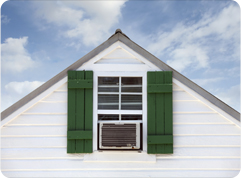
  • Use air conditioning to cool down or go to an air-conditioned building such as a store, a public library, a restaurant, or a cooling center.
  • If you don't have air conditioning in your home, open windows and shades on the shady side and close them on the sunny side to try to cool it down.
  • An electric fan can be beneficial but not reliable to cool off once the temperatures hit above the mid-90s (near or above body temperature of 98.6 degrees).
  • Use cool water - take a cool shower or bath.
  • Wear loose, lightweight, light-colored clothing to help keep cool.
  • Stay out of the sun as much as possible.
  • Wear sunscreen and a ventilated hat (e.g., straw or mesh) when in the sun, even if it is cloudy.
  • Never leave children, pets, or those with special needs in a parked car, even briefly. Temperatures in the car can become dangerous within a few minutes.

Drink Fluids

  • Drink more fluids regardless of your activity level.
  • Avoid alcohol, caffeine and sugary drinks, since these actually cause you to lose more body fluid. 
  • If you are on fluid restrictions or on diuretics, ask your doctor how much fluid you should drink.

Lie Low

  • Take regular breaks from any necessary physical activity – at least every hour.
  • Avoid strenuous activity during the hottest part of the day (between 11 a.m. and 4 p.m.).

[back to top]

If you must be out in the heat

  • Try to limit your outdoor activity to morning and evening hours.
  • Cut down on exercise. If you must exercise, drink two to four glasses of cool, nonalcoholic fluids each hour. A sports beverage can replace the salt and minerals you lose in sweat. If you are on a low-salt diet, talk with your doctor before drinking a sports beverage.
  • Rest often in shady areas – at least every hour.
  • Protect yourself from the sun by wearing a wide-brimmed hat (also keeps you cooler) and sunglasses and by putting on sunscreen of SPF 15 or higher (the most effective products say “broad spectrum” or "UVA/UVB protection" on their labels).

[back to top]


*free viewer or to request a hard copy